

At the beginning of this year, I took the stage at UXplore, a design conference in my hometown. This is the article version of my talk there.
I wanted to bring forward a topic that was relevant for a mixed audience of designers. Something that’s definitely useful for starters and at the same time a valuable refresher for experienced practitioners.
And, oh, to write something that’s timeless (or at the least age well). Easy, right?
TLDR, I believe that:A designer is as good as the quality of their questions and answers.
Design is creative and it’s technical but it’s also detective work, something we often forget.
At this point, you might disagree and you might be thinking:A designer is as good as the design that they can create and bring live.
And you will be right. But that’s a topic for another article.
First and foremost, we need to have a good foundation.
We need to go through the 1000 Questions and 1000 Answers.
Q&A > tools and methodologies
By seeing design through the prism of Q&A, we can go beyond tools and methodologies.
In the last 10–15 years, our industry went through a few changes…
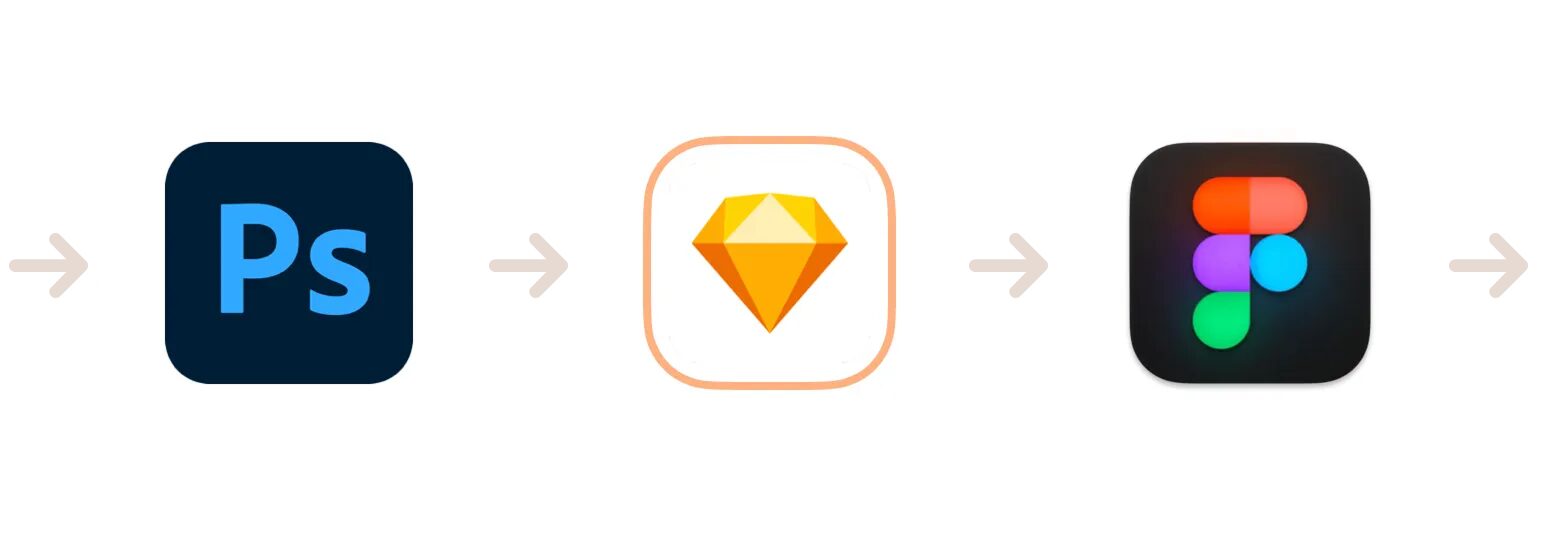
We changed Photoshop for Sketch and landed on Figma as the new industry standard.
If you‘ve opened LinkedIn or X recently, you’ve probably seen that AI tools are threatening Figma’s reign. It’s far from happening but anything is possible. Remember InVision? R.I.P. my beloved friend, you are not forgotten.
Design thinking died, came back and is maybe dead again. Who knows. What is sure is that we are looking for a new methodology to replace it or to skip designing with a methodology entirely.
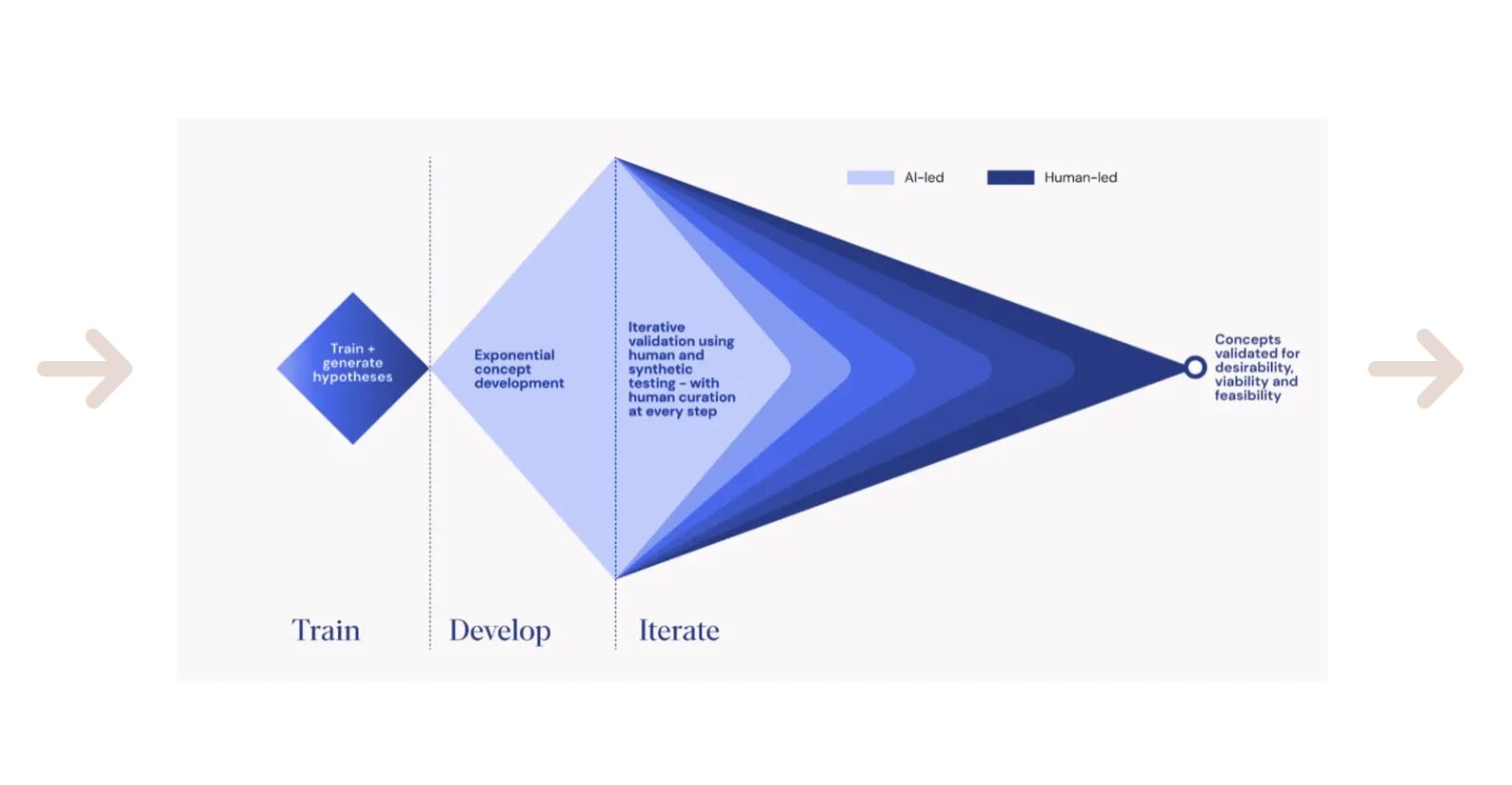
The Stingray AI innovation framework is just one of the alternatives out there. I’m sharing it here not because I believe that this is the new standard, I’m sharing just to illustrate that our established standards of the good ol’ days are being seriously challenged.
Does it have to be 1000 Questions and Answers? 1000?!?
No. But the closer to 1000, the better.
1000 won’t be possible to answer for small projects, of course! It will be rare occasions that you’ll be able to answer 1000 questions even for big projects. And 1K will be impossible for projects on a tight timeline, obviously.
I have worked on projects where all I had was close to 0 answers and a pixelated logo. Something came out. I have worked on projects with close to 1000 answers and I know the difference (in sanity and in quality).
Good to note is that some of these Q’s will be answered by a junior designer, others by a senior or lead. These are the total quantity of Q’s that the team needs to find answers to. In this team, you also have colleagues from other disciplines — PM’s, Dev’s, marketers, etc. If you are a one person studio, all questions fall on to you (good luck and success in your quest you brave soul!).
These questions are something you can post towards AI. AI will help with finding some of the answers but certainly not all of them. That’s another proof that this mindset keeps you safe.
Q&A as enablers for a few powerful shifts
The more Q&A you do, the closer you move FROM ➜ TO…
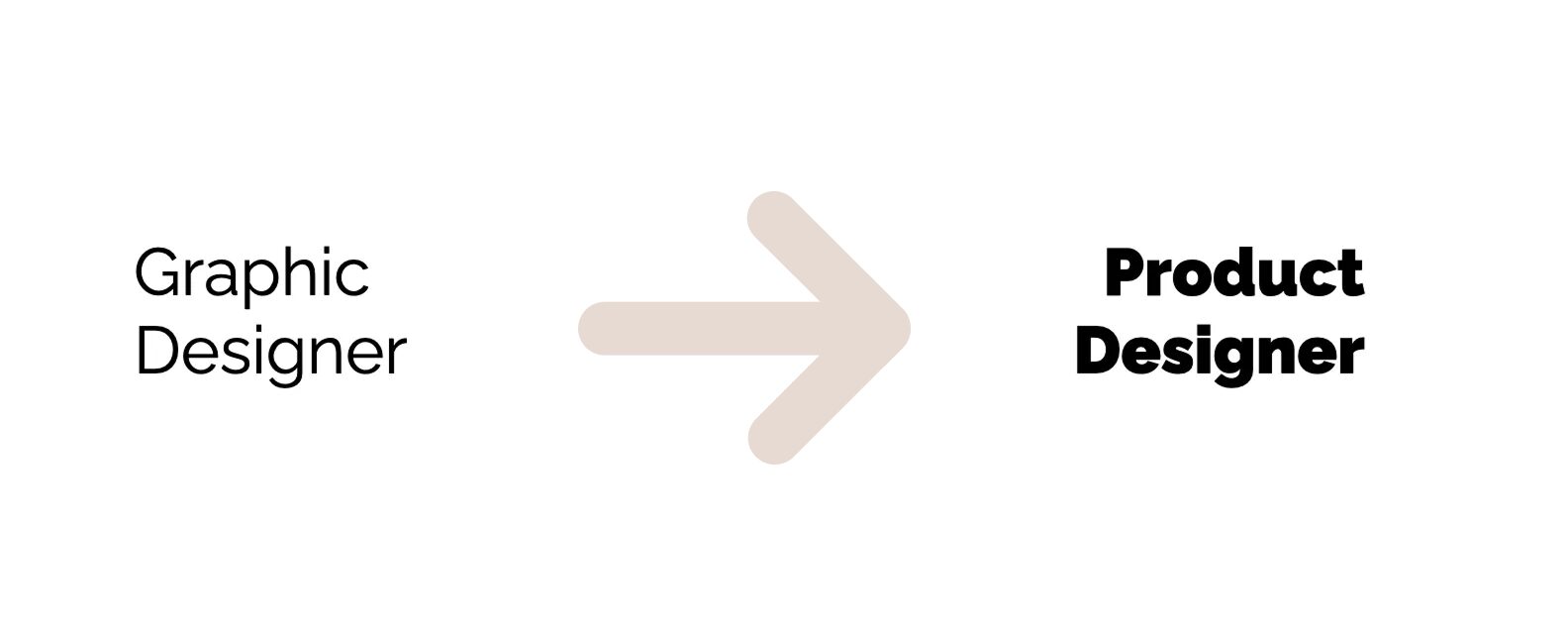
The first major shift in our industry came when we went from Graphic Designers to Web Designers and then to UX and Product Design. How did we get there? Mostly by bringing in our users into the process and asking them questions and getting their experience and expectations as answers.
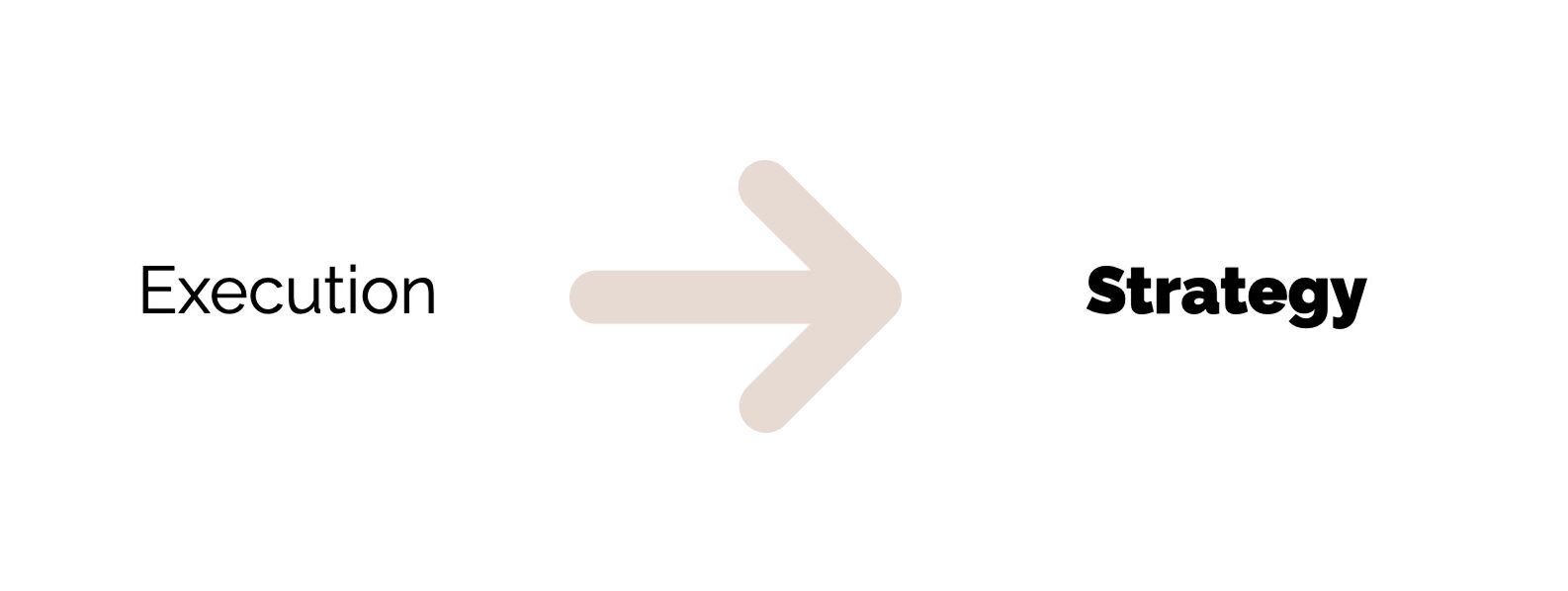
Q&A enables you to move from only execution to execution + strategy. From being simply a tool in the hands of our clients and stakeholders to a partner they cannot replace with AI.
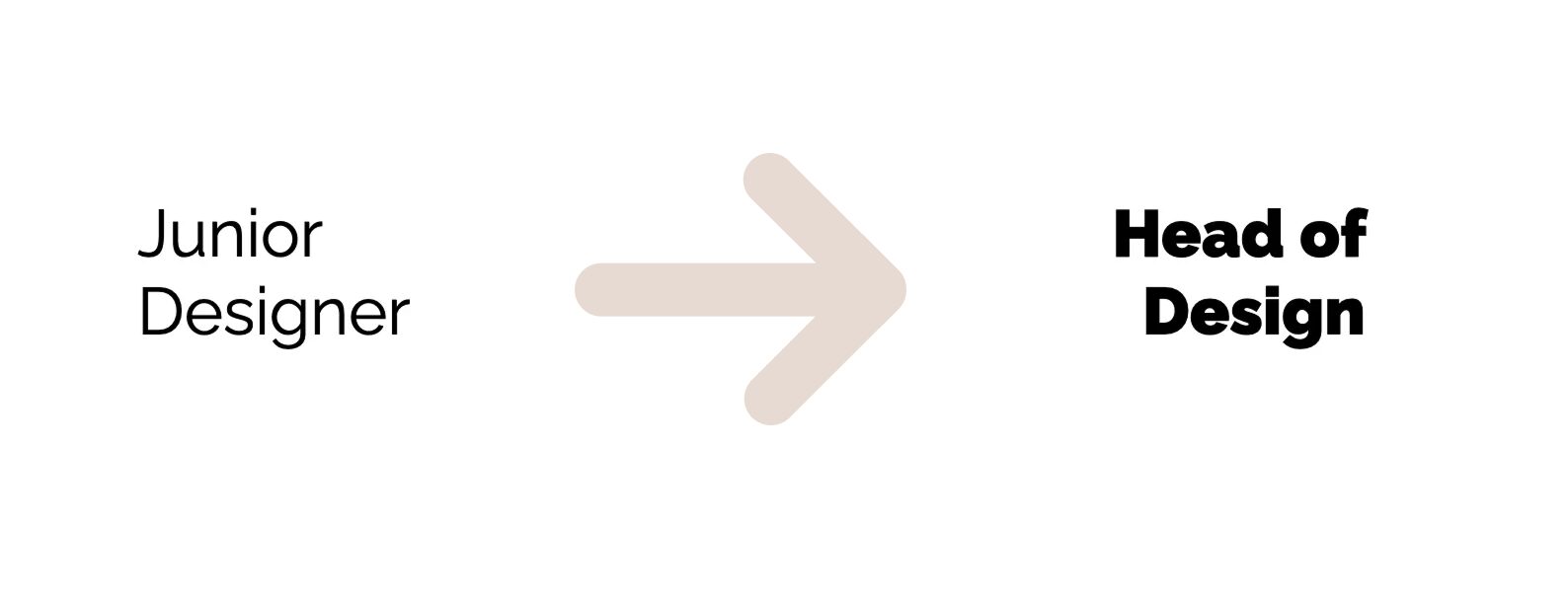
The more Q&A, the more senior you will become. It’s a simplification but not far from the truth.
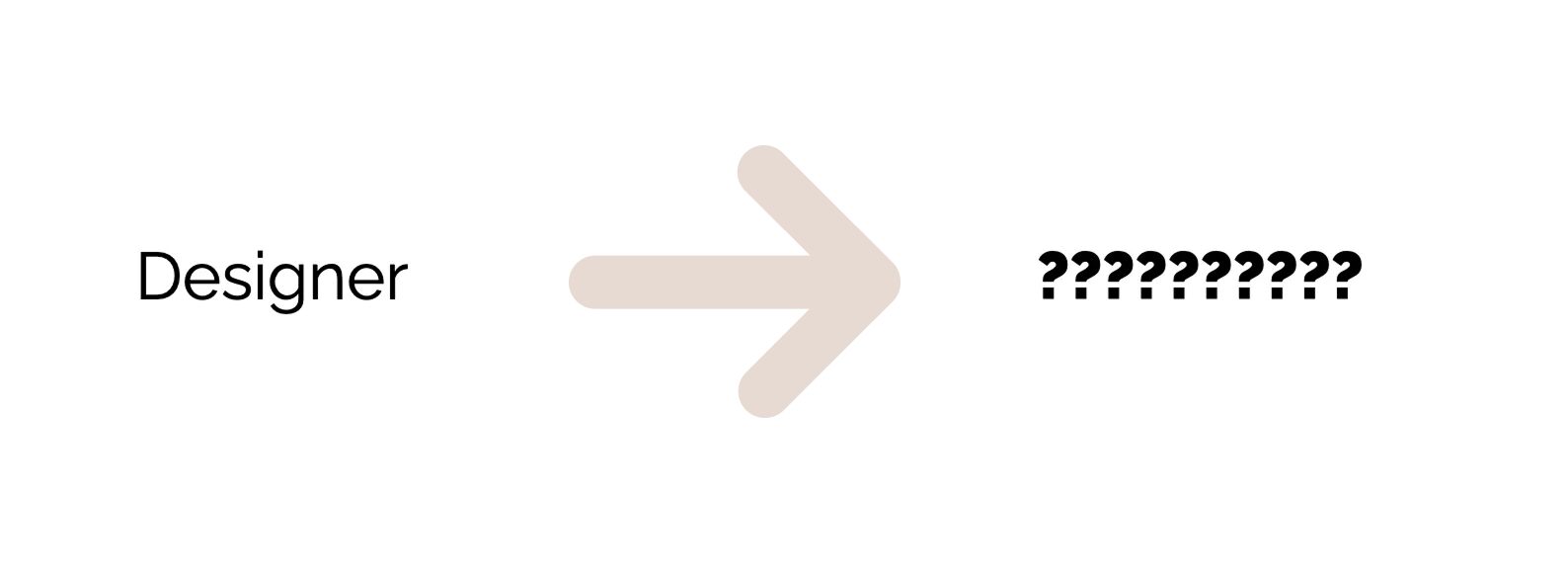
And lastly, the more Q&A, the more you move towards something new, something different, something bigger. PM? Founder? Entrepreneur? A whole new beast.
Few words of caution
Not all of the theory here can be applied instantly. This is a long list of questions and maybe a mindset shift needs to happen first.
You might be working in a place where it’s top-down and there is no room for questioning, only for executing. I don’t want to jeopardise your position and get you in trouble. You know best who can you ask, what, and when.
If your deadline is one week, the quantity of questions should be limited / appropriate. At times, we need to put out a fire, we need to act before asking questions. This is for you to figure out.
Ideally Q&A should be part of the process and planned from the get-go. And part of your personal and your team mindsets and principles.
Principles to commit to before doing Q&A
It’s always a good idea to start with principles. These set a good mindset for going forward. This is about how we question and answer. The actual questions and answers will come soon, hold on tight.
1. We are actively searching for answers
We are proactive. We are not waiting for answers, we are seeking them. Nothing will be served to us. While waiting, we are not designing. Or maybe we are going in a wrong direction. We research thoroughly. We are looking for clues. Remember — design is one part detective work.
2. We are not isolated
We ask users, we consult data, we interview stakeholders and experts, we involve design colleagues and colleagues of other disciplines. We are well connected and can tap into our network of connections of answers.
3. We are open for questions
We are actively seeking constructive feedback. We anticipate questions and have answers ready. We ask but we ready to be asked in return. We are ready to be critiqued. We are not defensive.
4. We move forward
We ask to accelerate, and not to slow down / as push back. The risk with asking too many questions is analysis paralysis and being “stuck in motion”. After every round of questions, we should create something that takes us to the next step in the process and towards new questions. After having a deliverable, you unlock a new level of Q&A and design.
Ready for the next level!
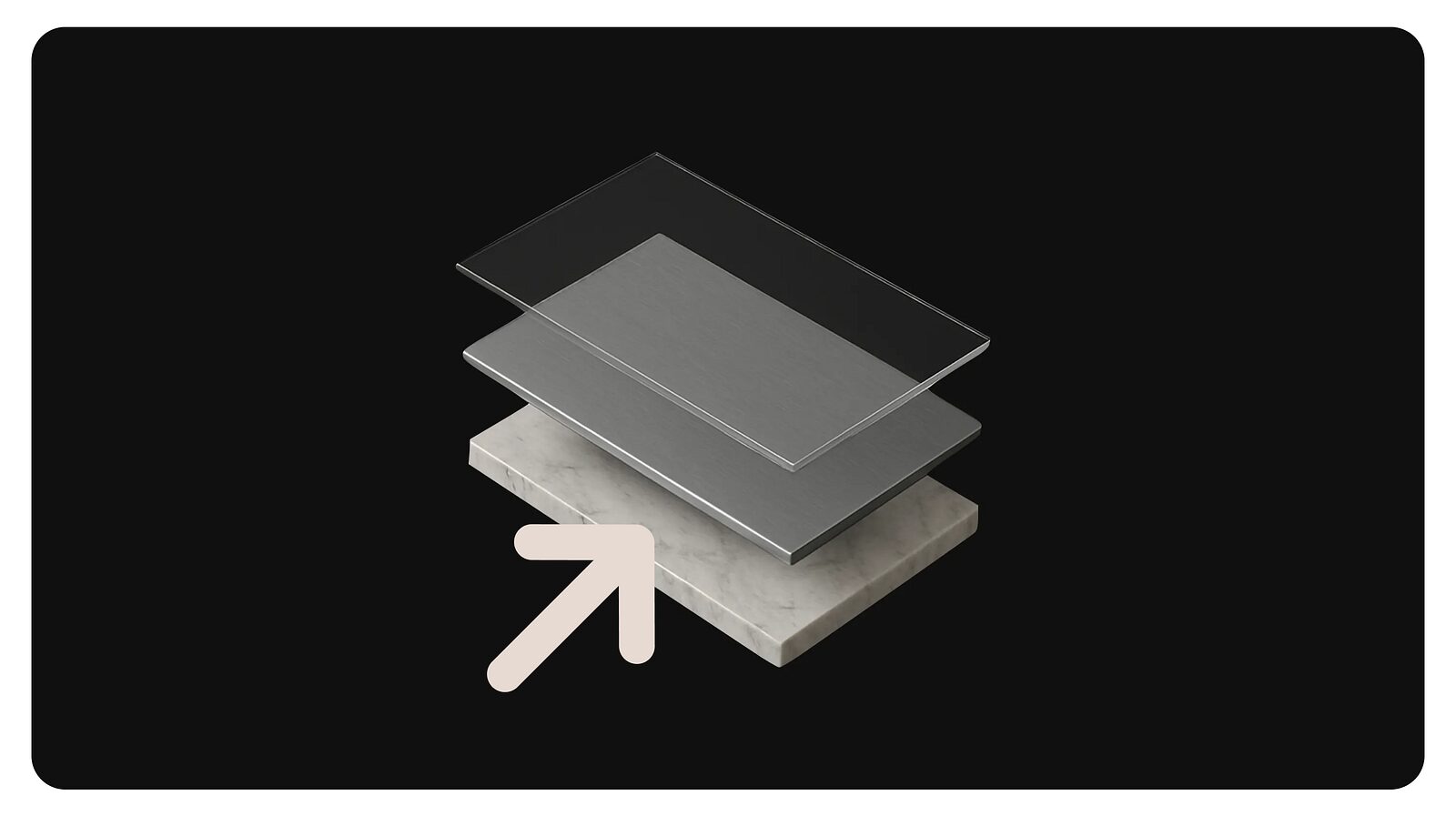
We now have good foundations: our principles and mindsets. This is something we take with us, into every project.
Next, we need to make sure that the project we are embarking on also has solid foundations.
We need to make sure that we are doing the right thing.
And to get to that, we need to go to the next chapter.
The first chapter with actual questions.
On to discovery (and questioning)
The start of the design journey is the discovery part. Some call this Problem Fit, others research, others “firing up Figma” and exploring in there directly. No judgment.
But, to get to the core of the question…
Q: Are we doing the right thing?
…we need to understand the problem first.
If you are lucky, there will be some answers here for you. Most of the time, there won’t be any.
That’s why we do research. Not usability research but foundational / generative research at this point. The kind where you don’t even have a design yet. The one where you just speak to people for understanding, uncovering, sensing.
We start with 20–30 questions (that depend on your product) to better understand, that will hopefully give you answer to:
Q: Why are we doing this?
Or when something doesn’t make sense:
Q: Why the hell are we doing this?
One of the best answers to this question is:
A: Because our customers need this for years!
We go through interviews, feedback, data, desk research, competitive analysis, we understand the context (sometimes as broad as the state of the world).
Key questions regarding our users:
Who are the users? Are we building for all users or for power users? For all users or for the cousin of the client? What are our users like? What do they like? What do they use? How do they use it? Why not us? Just a few Q’s to mention.
What is the problem they are facing?
How big is the problem?
Do we have existing data and insights? Do we have past research?
Have we validated the problem or is this an assumption?
What is the current customer journey? What are the pain points we want to solve for? What are the moments of delight?
Key business questions:
What is the business problem?
Which are the metrics we want to move? By how much?
Is our competition offering this?
What exactly do we mean with specific terms we are using in our brief?
Is the business problem taking into account the customer? Is this a win-win or win-lose type of proposition?
Is this aligned with the vision and mission of the business?
Answers in this phase will give direction to what follows next.
Sometimes this will be a direction for the design team and at other times, a way forward for the entire company.
We will come from something that is top down and doesn’t make sense to something that motivates and inspires. And we get to play with the balance of the needs of the user and the business.
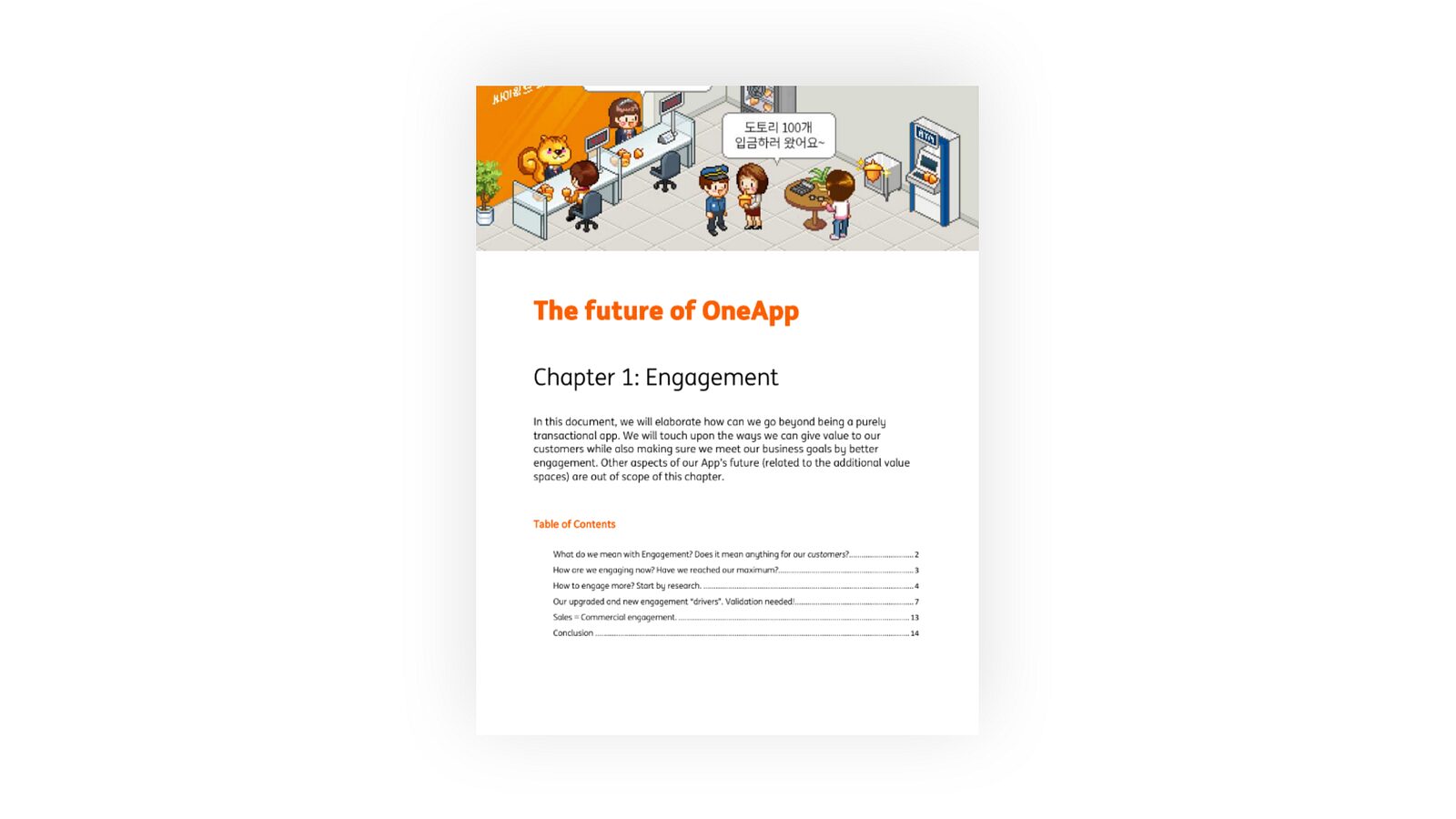
Other, miscellaneous questions at this phase:
Dependencies: is this new product / feature impacting other parts of the experience?
What are our assumptions? Especially the most critical ones?
What is the vision of this for the future?
What is our MVP? Ideally scaled down from the vision!
Is this ethical?
What does our legal department think about this?
Why are we focusing on this problem and not on something else?
Ok. We know why we are doing this. And everybody is aligned on that.
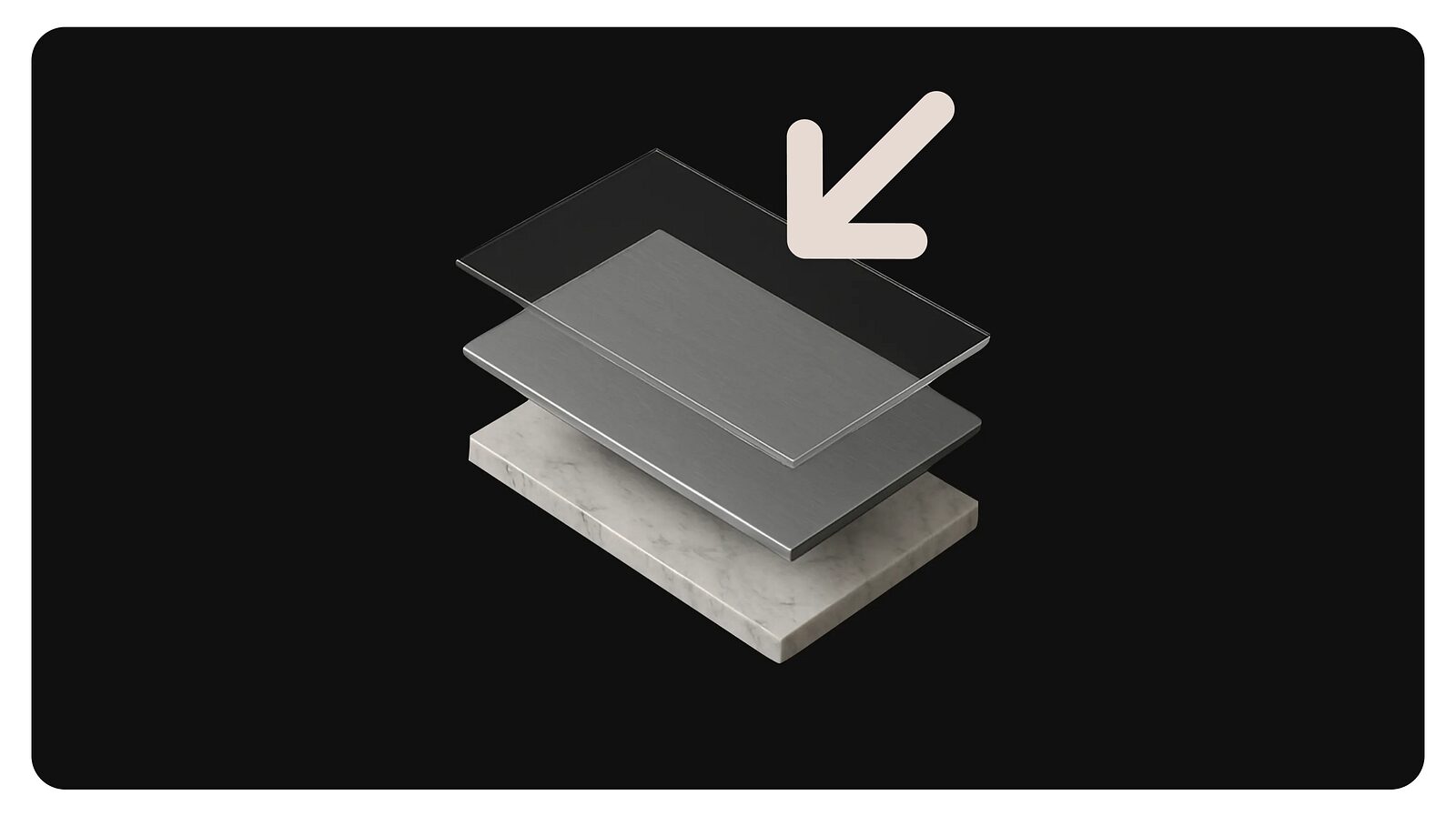
We have the middle layer of our methodology. We know we are doing the right thing and we document all of that nicely in a PRD.
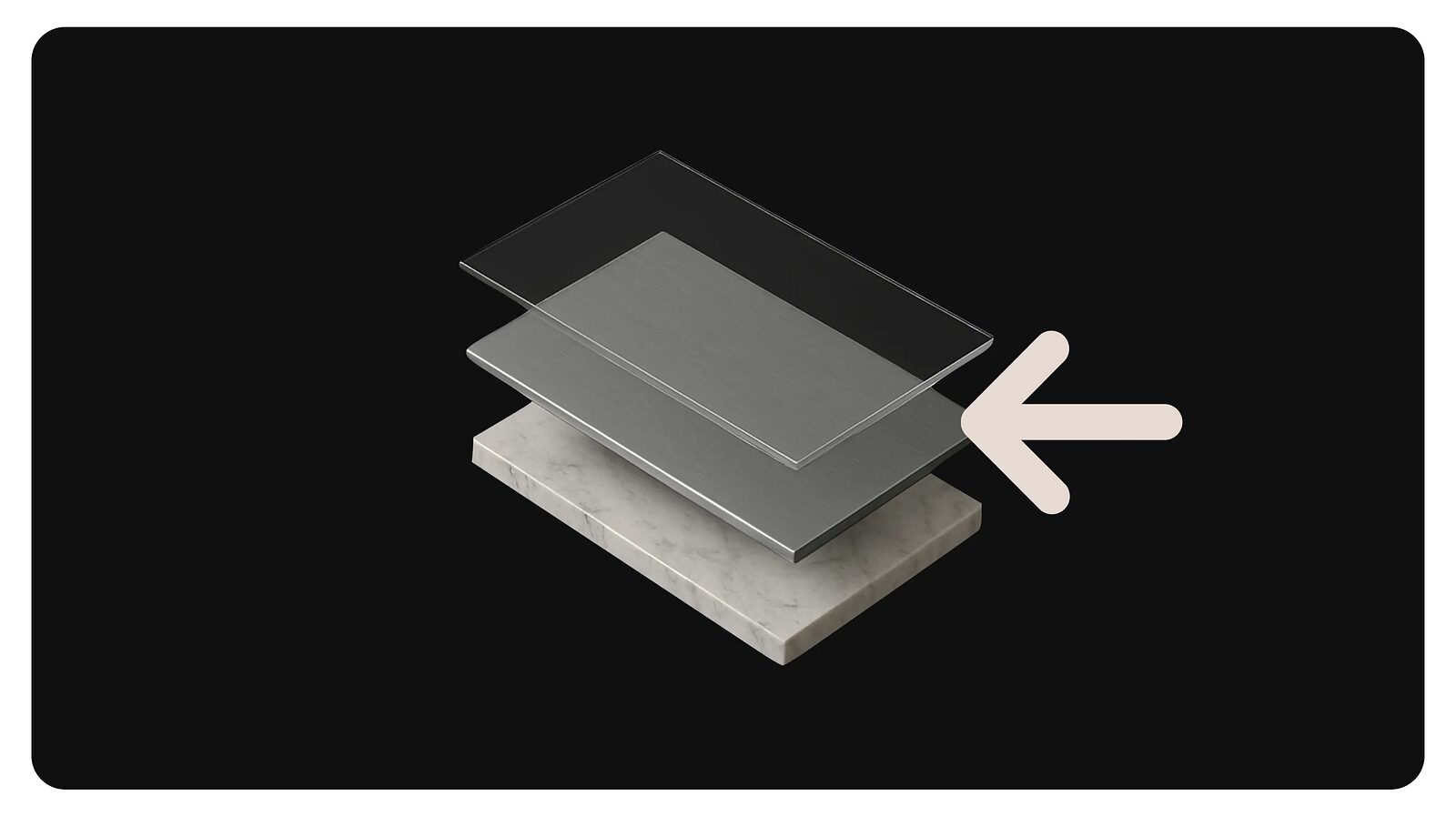
We are ready to go and do the product right.
That nice and shiny glass layer that you can interact with.
Let’s d̶e̶s̶i̶g̶n̶ organise.
Before we start designing, we need to organise ourselves. This is particularly true for big projects in complex organisations. Good news, the list of questions here is short. Bad news, the questions here can be tough to figure out.
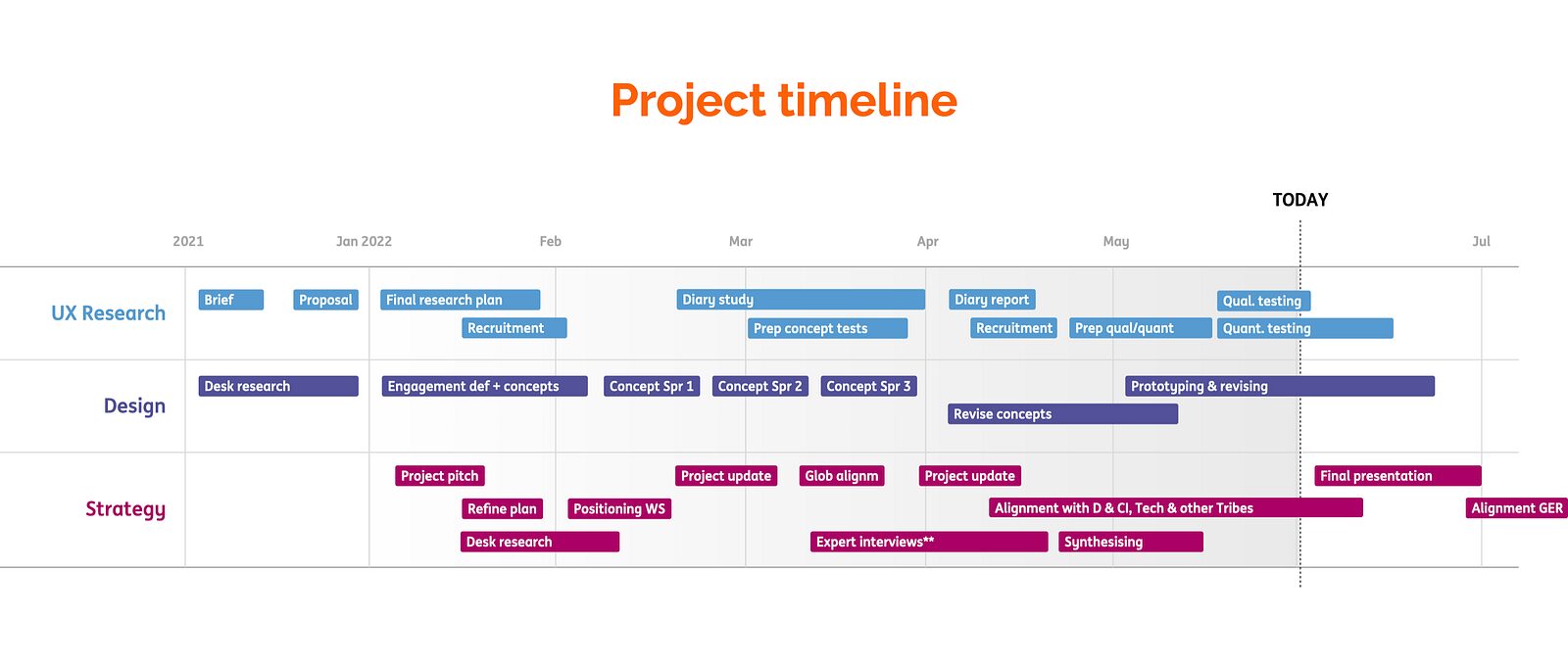
Some questions to ask and figure out:
Who will work on this? What will be the roles and responsibilities of each team member?
What rituals will support us through the process?
How will we communicate?
How will we track the progress?
What will our UX roadmap look like?
Who will we involve / consult? What is our stakeholder map?
On to the next set of questions.
We are getting closer and closer to designing.
Design officially starts here
We are ready to jump into “ Solution Fit” or simply — designing. We go from document ➜ flow. From flow ➜ design.
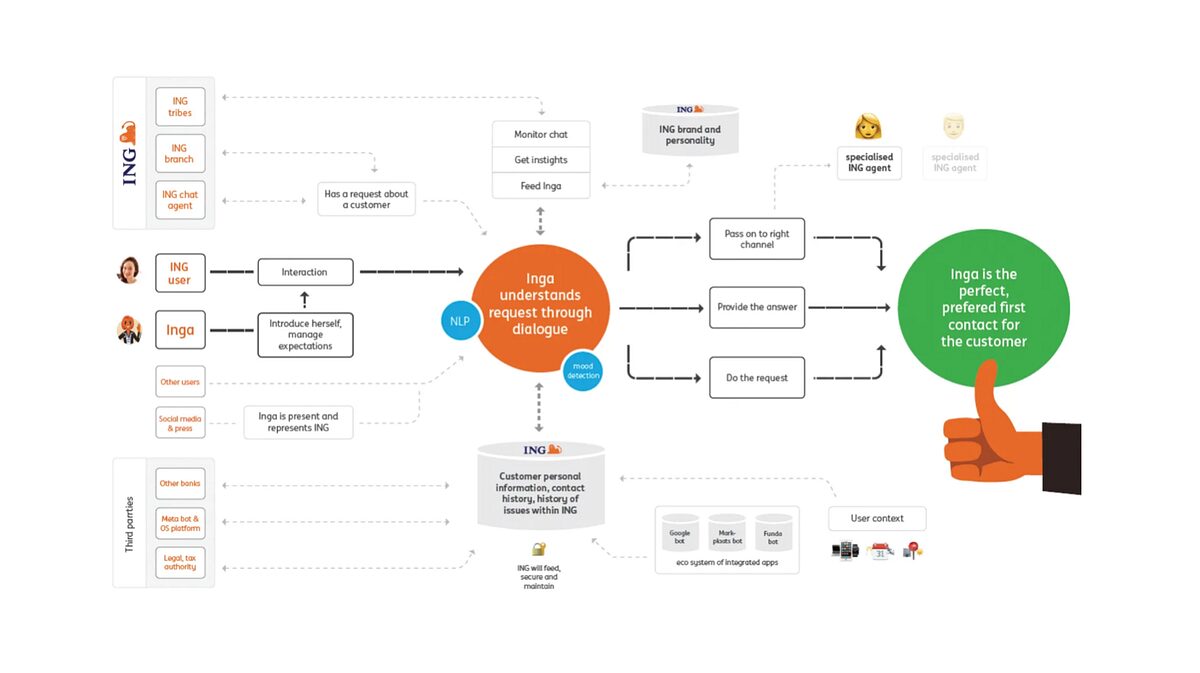
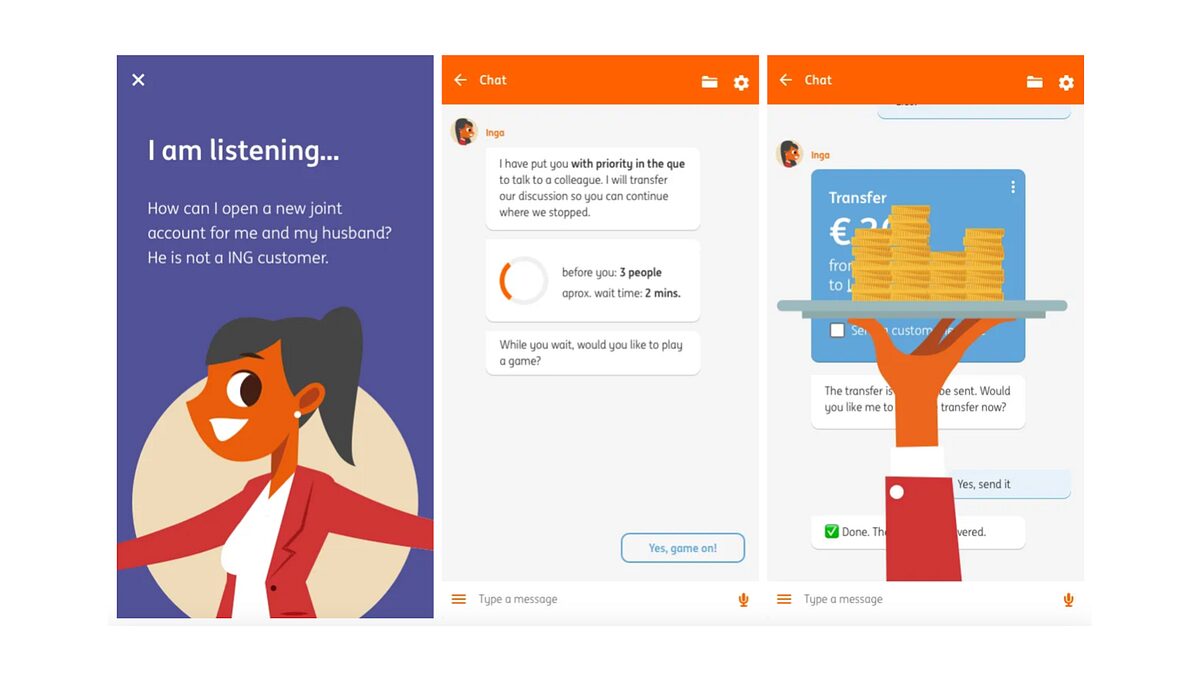
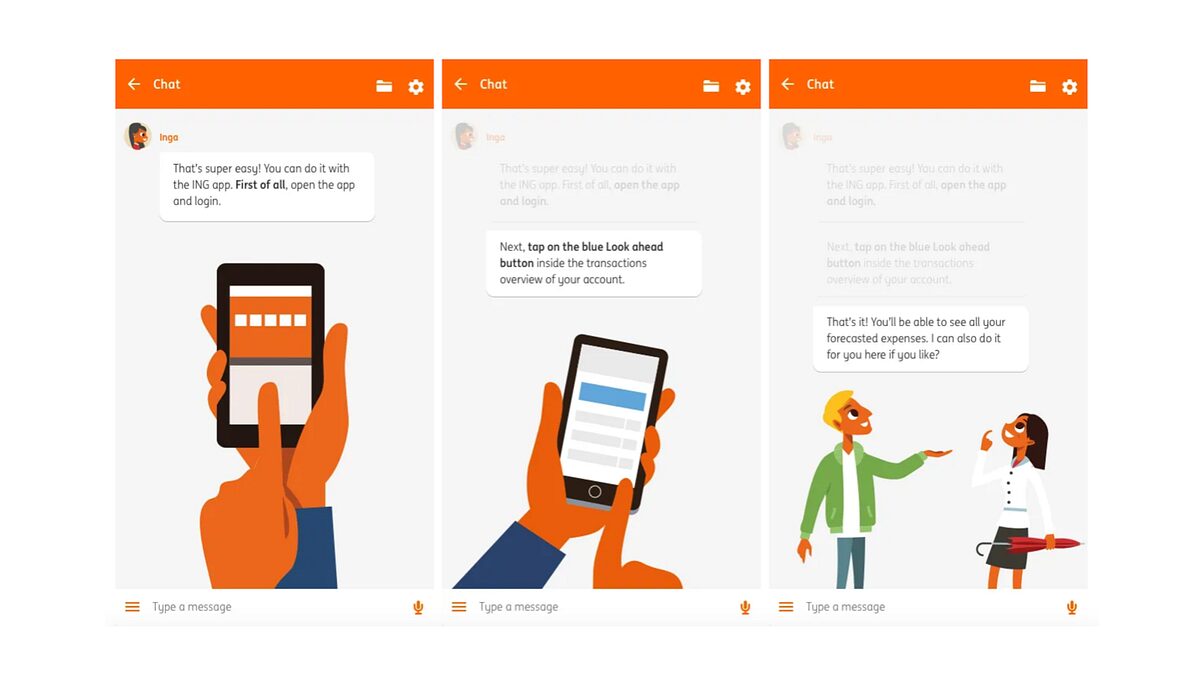
Design related questions:
How will we solve the problem? What’s our approach?
What is our new, ideal customer journey?
What are the options we will explore? What are their pros and cons?
How are our users experiencing the design? With the hundreds of sub questions that we can ask at this point to assess usability of our solution.
Are we using the design system in a good way? Do we need new components?
Is the design accessible?
Are we on brand?
Misc:
What are our technical limitations?
Is there a new breakthrough technology that we can utilise?
Are we launching with a pilot? Can we do experiments?
We went through a looooooot of questions so far!
Let’s do some counting and see where we are…
Our question counter says…
783
We are almost there
But not done. This next phase consists of a lot of rapid fire questions.
You will be asked and will be asking on a daily basis.
It will be chaos. Hang on in there.
This is what we typically call handover. There is a reason it sounds like hangover. This is the phase where the details are hammered down.
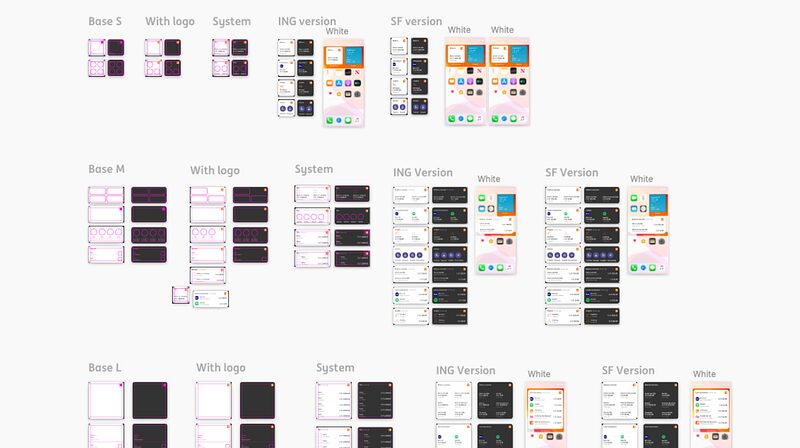
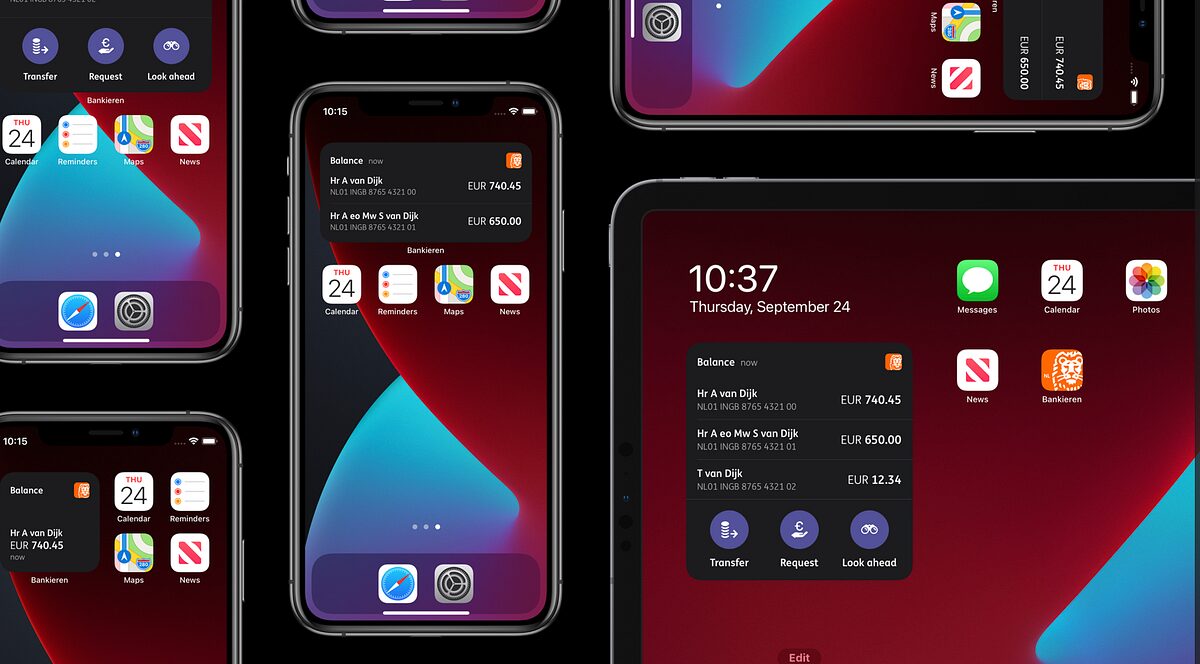
Questions regarding the details:
Have we covered all edge cases?
How will the design look like on all breakpoints, on all platforms and in dark mode?
Is it implemented as designed?
Is the implementation accessible?
Do we have some bugs?
etc. etc. etc.
After all of the hard work, you finally have something you can see, test, feel. And after a few small tweaks, and bug fixes, you give the green light and off we go.
It’s live.
We are done.
We are done right? Tell me we are done.
Let’s check our question counter…
It says…
996
Seriously???
There seems to be one more bonus level for the true warriors out there.
Proof is in the p̶u̶d̶d̶i̶n̶g̶ data
4 more questions (I promise):
Have we reached the results we expected?
Do we have feedback from our users?
If it works: what next?
If it doesn’t work: what next?
Now we are done.
C O N G R A T U L A T I O N S.
You made it through one cycle of the 1000 Questions and Answers.
Cycle??? Huh???
I’ll explain below.

Go ahead. Celebrate. Pop the beverage of your choice.
But before you get too excited, and too drunk on your success, remember — we need to explore new questions and answers on Monday.
The work of a designer is never done.
That’s what makes our work hard. That’s what makes our work interesting.
During the process, you will also question your existence. But you will come out a stronger version of yourself, just like through any process of reflection.
And it does get easier. The more cycles you go through, the less you’ll need to question. But the number of questions never goes down to 0.
You will have better intuition and experience but will also have biases and blind spots. Even the most experienced among us do. Nothing replaces feedback and perspectives from others, and the insights you get from hearing how someone experiences your work.
Remember: design is easy. You just need to ask and answer 1000 questions. So never stop questioning and answering!
Any questions?
This article was originally published on Medium. You can find the original post here.